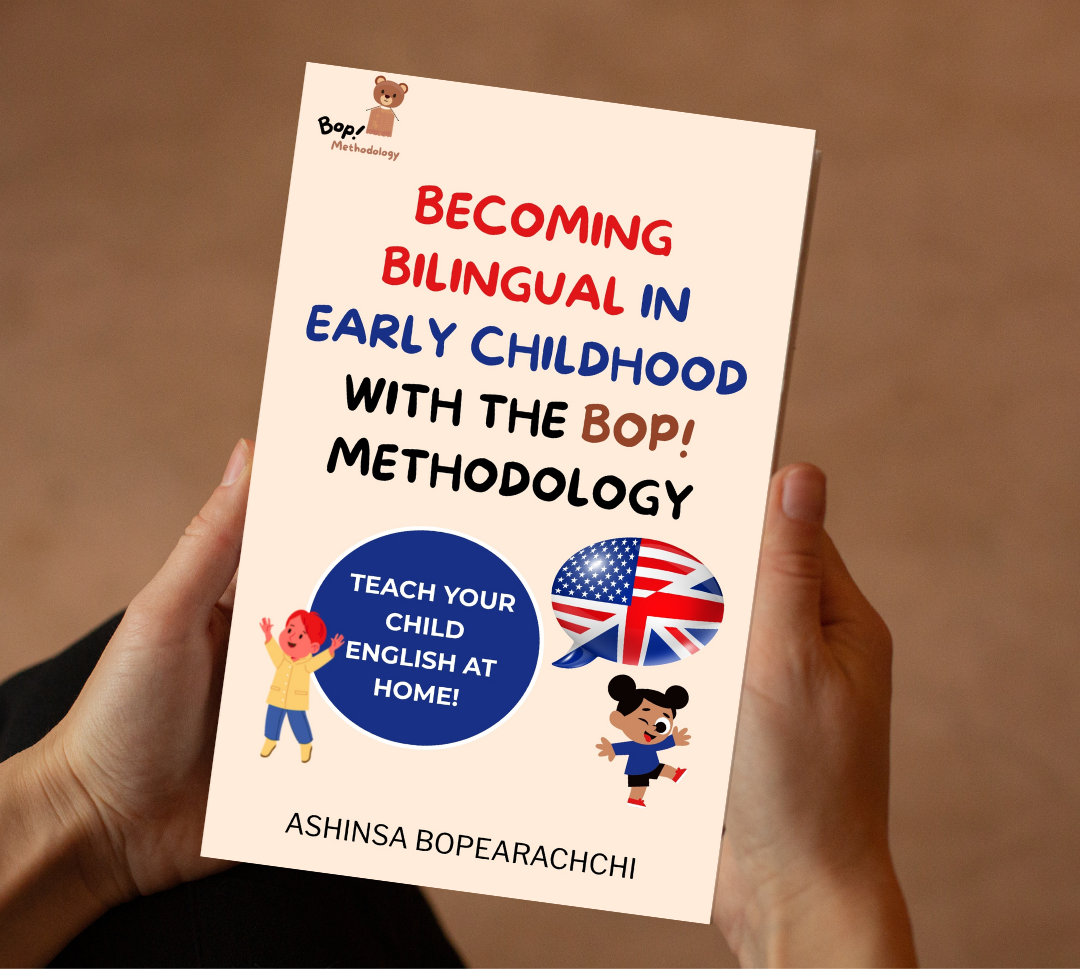
Becoming bilingual in early childhood with the Bop! methodology
“Becoming Bilingual in Early Childhood with the Bop! Methodology” is a warm and practical guide for parents who want to teach their child a second language from an early age, either independently or with the help of someone else, such as a nanny, au pair,babysitter, grandparent or relative.
The Bop! Methodology is a revolutionary language-learning approach designed specifically for children under ten. It helps young children reach a level of spoken and written fluency comparable to native speakers, even in languages not spoken in their home country.
It is complemented by a comprehensive pedagogical content for teaching English.
The Bop! Methodology is a revolutionary language-learning approach designed specifically for children under ten. It helps young children reach a level of spoken and written fluency comparable to native speakers, even in languages not spoken in their home country.
The Bop! Methodology is centered around how children learn to speak first, before reading and writing, mirroring how they acquired their first language. Unlike traditional language programs, the Bop! Methodology is rooted in how children aged 3-10 naturally learn through play.
Ideal for parents who want to raise bilingual children, pass on a minority language or teach English as a second language, the Bop! Methodology turns language acquisition into a fun, engaging experience. Based on play-based learning, this unique approach naturally builds a child’s language skills: first through meaningful spoken words, then richer expressions and finally confident reading and writing. Like weaving a beautifully structured fabric, the method helps children 'knit' their new language step by step, until fluency emerges naturally.
Bop! Methodology is fully adapted to the cognitive and emotional development of children aged 3 to 10. It supports their growth while providing one of the most effective and child-friendly pathways to bilingualism
This guide is perfect to teach a second language. It is for:
Bilingual parents raising children in monolingual environments
Grand-parents or relatives who wish to pass on a language to a child
Foreign-language speaking nannies, babysitters, and au pairs
Educators seeking efficient playful language methods
Anyone searching for a joyful, effective approach to early bilingualism
This book contains a wealth of practical resources for teaching children English at home, including:
20 Role-play scenarios
25 Puppet-show dialogues
Simple stories and songs to introduce early grammar
Curated lists of books, cartoons, and vocabulary list
Tips for common pronunciation challenges
Guidance for teaching early reading, writing, and foundational math in English
Help your child thrive in two languages — starting today!

The advantages of the Bop! methodology
The language teaching methodologies used in many education systems in the world, from kindergarten to high school, are rarely conducive to the acquisition of genuine bilingual competence.
Unlike school-based methods, Bop! methodology pedagogy is inspired by the way young children naturally acquire language, from kindergarten to primary school, in a situation of total immersion in a country where another language is dominant.
Mastery of the spoken language is first prioritized before developing the reading and writing skills. In this way, each new language is learned by mimicking the mechanics of total immersion learning, to get the best and most efficient results.
Games and varied activities are also important for children of this age. It's also essential to get down to their level, interact with them and take on their imaginary world. That's why the methodology presented here takes these requirements into account when learning the language.
By combining the pleasure of learning with complicity between child and adult, this method promotes the child's harmonious development, while enabling rapid acquisition of the language to be transmitted to reach a native command level.
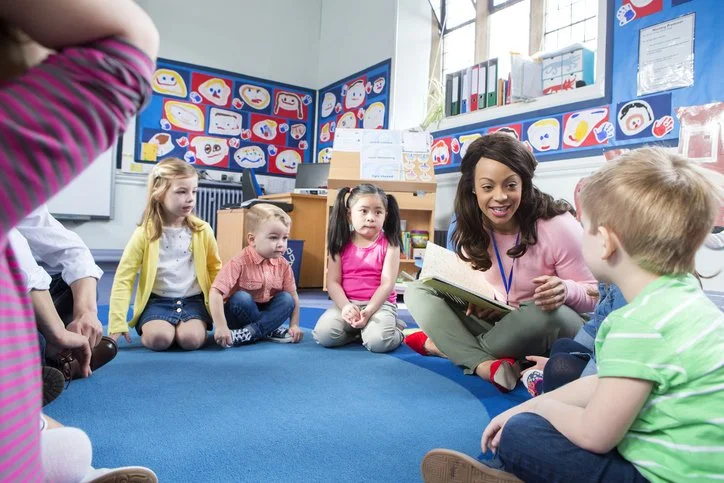
How does the Bop! methodology work?
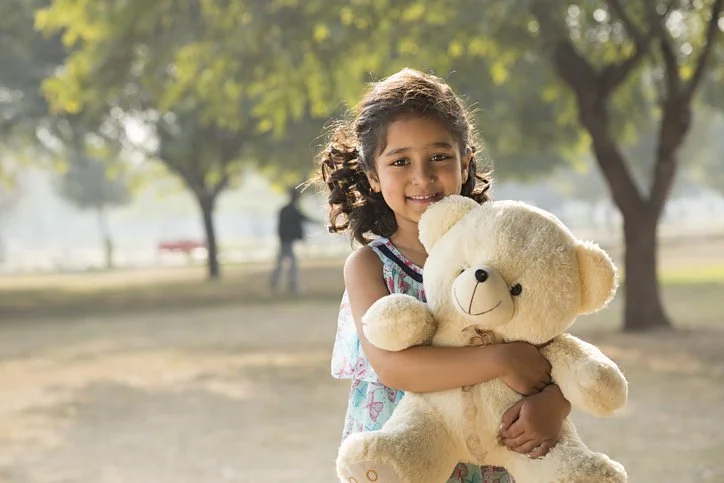
Varied games and activities are important for children of this age. It's essential to get down to their level, interact with them and take on their imaginary world. For this reason, the Bop! methodology takes these requirements into account when learning the language.
Passing on a language with the Bop! methodology requires attention and commitment.
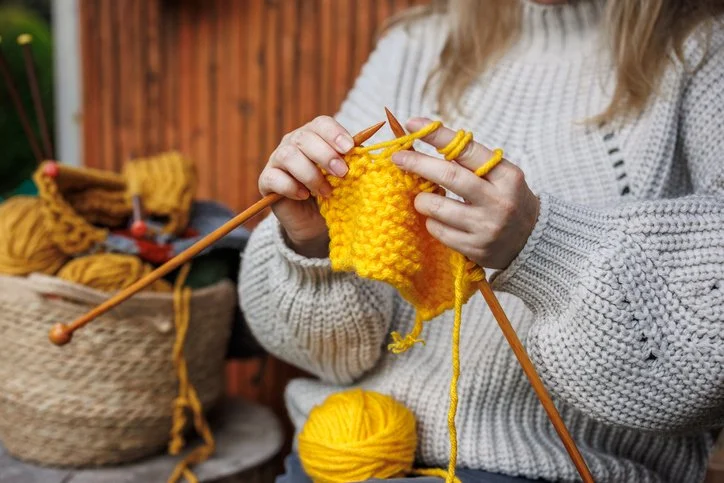
Learning takes the form of "knitting", with essential knots in place, such as words with basic meanings (like "yes", "no", "hello", "goodbye", "thank you"), which attach more complex expressions and meanings, to become a veritable linguistic "fabric". Mastery of the spoken language is prioritized over that of the written word. In this way, each new language is learned by mimicking the mechanics of total immersion learning.
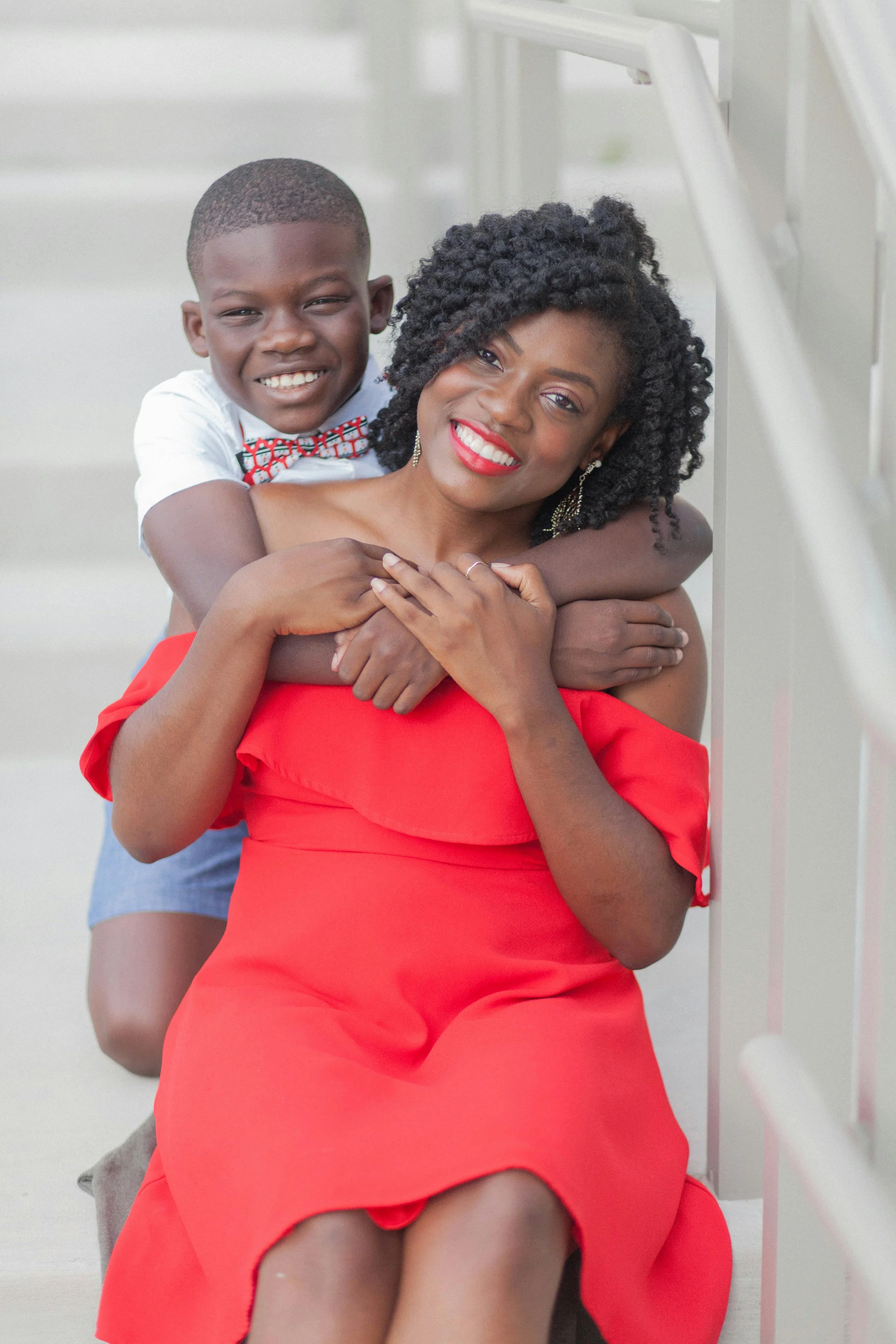
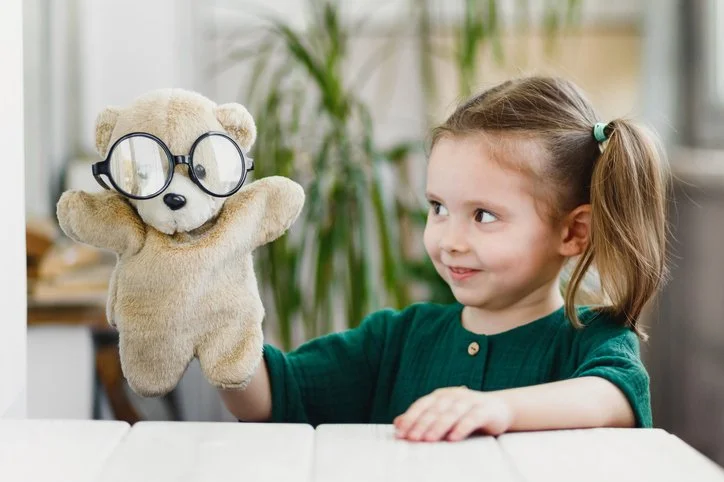
Bop! methodology is adapted to language transmission by a native or near-native speaker, by a parent, a nanny, a grand-parent, an au pair, etc
The language should represent more than just a means of communication, but a cultural heritage associated with one or more countries that the language transmitter enjoys sharing and celebrating on a daily basis.
By combining the pleasure of learning with the complicity between child and adult, the Bop! methodology promotes the child's harmonious development.
The language transmitter needs to enter the world of the child's imaginary games, and accompany them at their own pace, in a playful way, while transmitting a language using the Bop! methodology.
Contact me
For any matter, feel free to contact me by using the form.